
Home / Field Notes / Revenue & Audience
Revenue & Audience · August 25, 2026
The Ad System Hiding in Your Hard Drive
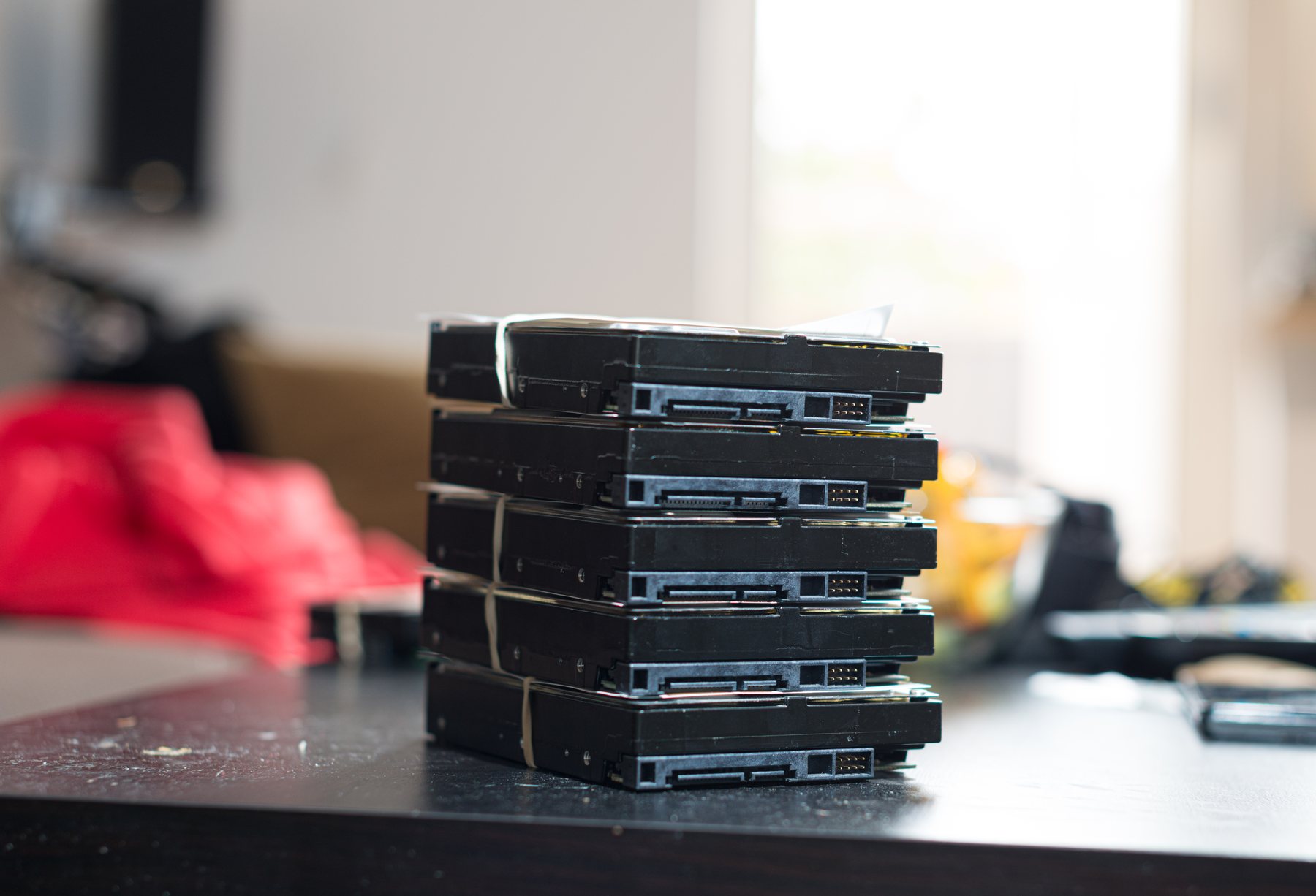
When a brand tells us they need new content, our first question isn’t about budget or concept. It’s simpler than that: what’s already on the drive?
The answer is almost always the same. A lot. Three or four shoots’ worth. Some of it a year old. Most of it never cut into anything, because it was captured as coverage for one specific edit, and the day that edit got approved the rest of the card became archive.
It isn’t archive. It’s inventory. And for most outdoor brands, the distance between where they are now and a paid program that actually compounds isn’t another camera day. It’s the absence of a system for turning footage they already paid for into ads that can be tested, retired, and replaced on a schedule.
Why "let’s shoot something new" is usually the expensive answer
Shooting is the most visible part of the job, so it’s the part founders reach for when performance flattens. The ads are tired, so we need new ads, so we need a shoot. It feels like progress because it looks like progress — there’s a call sheet, there are people on location, something is clearly happening.

But tired ads are rarely a footage problem. In our experience the same shoot that produced one flat ad is sitting on eight more that were never assembled, and the reason performance dropped has more to do with how long a single cut ran than with the quality of what was in it. You can’t diagnose that from the edit bay. You diagnose it from the account.
Nielsen’s body of work on ad effectiveness puts creative at roughly 47% of sales lift — a larger lever than targeting, reach, or recency. Which means the most expensive thing on your drive isn’t the footage. It’s the footage nobody cut.
What an ad system actually is
Three things, none of them glamorous.
The first is an inventory you can search. Not folders named by shoot date — folders named by what is happening on screen. A founder talking to camera. Hands doing the thing the product does. The product failing to fail. Weather. Faces. If the only person who can find a clip is the editor who was there, you do not have a library, you have a hard drive.
The second is a hook library kept separate from the body. The first three seconds and the rest of the ad are different jobs, and they should be different assets. Once you stop treating an ad as one indivisible object, ten hooks against three bodies stops being thirty edits and starts being an afternoon. This is where volume comes from without a single new production day, and it is the single change that most often takes a brand from posting ads to running them.
The third is a cadence that retires losers on a calendar, not on a feeling. Creative fatigue is a scheduling problem wearing a creative problem’s clothes. If nothing is scheduled to come out, nothing comes out, and the same cut runs until the numbers make somebody uncomfortable enough to call a meeting.
Drawn out, the whole thing is a loop, and the orange arrow is the part most brands never close:
Log for the ad you haven’t written yet
The practical shift is small and it happens at the wrong end of the process, which is why almost nobody does it. When you log footage, log it against use, not against sequence. This is the shot that answers the price objection. This is the shot that proves it’s waterproof. This is the shot that makes someone stop scrolling but doesn’t sell anything on its own.
Do that and six months later you are not scrubbing timelines looking for a moment you half-remember. You are pulling a shot list for an ad that doesn’t exist yet, from a shoot that already happened, in about the time it takes to make coffee.
The honest limit
This does not replace shooting, and we’d be selling you something if we said it did. A library runs out. Products change, seasons turn, and there are stories that simply are not on the drive because nobody was there when they happened.
What it changes is what you shoot for. Once a library is feeding an ad system, a production day stops being a hunt for one hero film and becomes a deliberate restock — you know which shelves are empty before the truck is loaded. That’s a different conversation with your editor, a different call sheet, and usually a materially better return on the same day of work.
The brands we see win at this aren’t the ones with the biggest archives. They’re the ones who decided the archive was an asset with a job, and then gave it one.
If you’ve got drives full of footage and a paid program that’s gone flat, that’s worth fifteen minutes. Book a free 15-minute strategy call and we’ll talk through what’s actually on them and whether there’s a system in there.
Start here
Want this run on your numbers?
Fifteen minutes, no pitch. Bring the thing that isn’t working and we’ll give you a straight read.
Rather skip the form? contact@asparkcreative.com